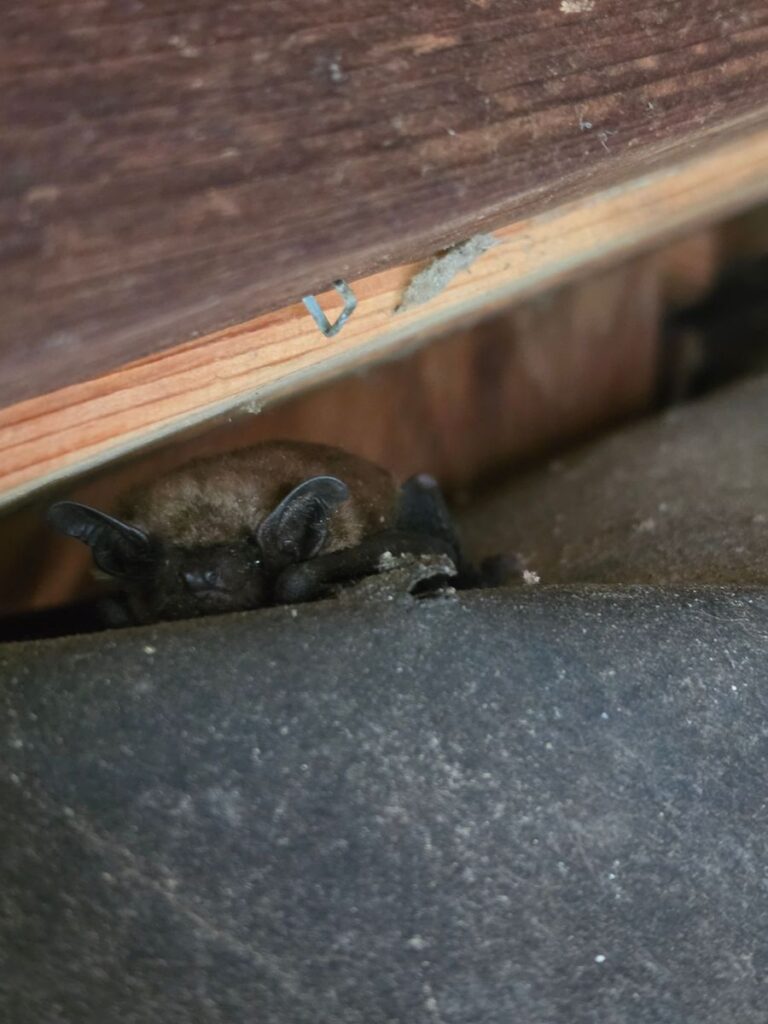
Bats in an attic, chimney, soffit, wall void, or vent can be stressful because the activity is often hard to see clearly. You may hear squeaking or scratching near dusk, notice droppings near a roofline, see bats exiting at sunset, or smell an odor coming from an attic or enclosed space.
Richland Pest & Bee provides bat removal services for homeowners, landlords, property managers, and small business owners who need help identifying bat activity, locating entry points, and understanding the safest next step.
Bat concerns should be handled carefully. The right approach should focus on inspection, exclusion, entry-point review, and prevention so the issue is addressed without creating unnecessary risk or trapping animals inside.
Signs You Need Bat Removal
Bat activity is not always obvious during the day. Many signs appear around dusk, dawn, rooflines, attic spaces, vents, or exterior openings. If bats are using part of your home or building, you may notice repeated movement in the same area.
Common signs you may need bat removal services include:
- Bats seen exiting near the roofline at sunset
- Squeaking, scratching, or fluttering sounds in the attic or walls
- Droppings near exterior walls, vents, soffits, or attic spaces
- Staining or dark marks near small openings
- Odors coming from attic or wall areas
- Repeated bat sightings near chimneys, vents, or roof gaps
- Pets reacting to sounds in ceilings, walls, or attic spaces
- Visible gaps around soffits, fascia, vents, or roofline materials
A single bat outside does not always mean there is a building issue. But repeated activity near the same opening or signs inside the structure should be evaluated.
Bats in Your Home: Why the Problem Matters
Bats can use very small openings to access attics, wall voids, soffits, vents, chimneys, barns, sheds, and other protected areas. Once they find a safe place to roost, activity may continue if the entry point remains open.
The main concern is not only seeing bats. It is understanding where they are entering, whether they are using the structure, and whether droppings, odor, or access conditions need attention.
Bat activity may create concerns such as:
- Guano accumulation
- Odor in attic or enclosed spaces
- Staining near entry points
- Noise and disturbance
- Repeat access through the same openings
- Cleanup or sanitation needs
- Difficulty confirming where bats are entering
If you suspect bats are inside, do not seal openings without an inspection. Sealing too early can trap bats inside or cause them to move into other parts of the structure.
Our Bat Removal Services
Bat removal should start with identifying the issue and understanding how bats are using the property. A good service approach should not rely on guesswork.
Richland Pest & Bee can help evaluate suspected bat activity, review possible entry points, and explain the next steps based on what is found.
Inspection and Identification
The first step is inspection. This may include checking areas such as attics, rooflines, soffits, fascia, vents, chimneys, wall voids, barns, sheds, or exterior openings when accessible.
The inspection may look for signs such as droppings, staining, odor, entry gaps, movement patterns, or repeated activity near the same area.
Bat Exclusion Planning
Bat exclusion is commonly used to allow bats to leave while helping prevent them from re-entering through the same access point. The right exclusion plan depends on the structure, entry locations, activity level, and timing considerations.
Bat work should be planned carefully because certain situations may require special attention to timing, access, and whether young bats may be present.
Entry-Point Review and Prevention
After bat activity is evaluated, entry points may need to be sealed, screened, reinforced, or repaired. Prevention is important because removal alone may not stop the issue if bats can still access the same opening.
Possible entry areas may include:
- Roofline gaps
- Soffit openings
- Fascia gaps
- Gable vents
- Ridge vents
- Chimney gaps
- Attic fan openings
- Damaged screening
- Loose exterior materials
Any sealing or repair scope should be explained clearly before work begins.
Our Bat Removal Process
Every bat situation is different, but a clear process helps property owners understand what to expect.
Step 1: Inspection and Activity Review
Richland Pest & Bee starts by reviewing the signs of bat activity and checking likely access areas. The goal is to understand where bats may be entering, where activity is concentrated, and what areas of the structure may be affected.
Step 2: Recommended Removal or Exclusion Plan
After the inspection, the next step is to explain the recommended approach. This may include exclusion planning, access-point review, and prevention recommendations based on the findings.
The method should be based on the property and the activity present, not a one-size-fits-all answer.
Step 3: Bat-Proofing and Entry-Point Guidance
Once bat activity is addressed, the property may need bat-proofing steps to reduce the chance of re-entry. This may include sealing gaps, screening vents, reinforcing weak areas, or recommending repairs where openings are found.
Step 4: Final Review and Next-Step Expectations
A clear service process should explain what was found, what was addressed, and what the property owner should watch for afterward. If cleanup, odor, guano, or repair concerns are present, those should be discussed as separate next-step considerations when applicable.
Bat Exclusion and Entry-Point Sealing
Bat exclusion and entry-point sealing are important because bats may return to the same opening if it remains accessible. The goal is to address the access issue, not only the visible activity.
A useful bat exclusion plan should consider:
- Where bats are entering
- How many openings may be involved
- Whether the entry points are high or difficult to access
- Whether vents, soffits, chimneys, or roofline areas are affected
- Whether repairs or screening are needed
- Whether cleanup or follow-up concerns are present
- Whether timing affects the service plan
Bats should not be handled with rushed or careless sealing. If bats are still inside, sealing the wrong area at the wrong time may create more problems.
Cost of Bat Removal
The cost of bat removal depends on the property, the access points, and the complexity of the issue. A simple inspection and one accessible entry point may require a different scope than a larger structure with multiple openings, attic involvement, guano concerns, or difficult roofline access.
Factors that can affect bat removal cost include:
- Size and height of the structure
- Location of the bat activity
- Number of entry points
- Difficulty accessing rooflines, vents, soffits, or chimneys
- Extent of sealing or screening needed
- Signs of guano accumulation
- Cleanup or sanitation concerns
- Whether follow-up or recheck is needed
- Whether repairs are required to reduce re-entry risk
Richland Pest & Bee can provide clearer guidance after inspecting the property and understanding the scope of the bat activity.
Why Choose Richland Pest & Bee as Your Wildlife Removal Company
Choosing a wildlife removal company for bat concerns should come down to process, safety, and clarity. You should know what the company is inspecting, what signs were found, what the recommended next step involves, and what may be needed to help keep bats out.
Richland Pest & Bee focuses on inspection-led recommendations and clear communication. Bat activity can be stressful, so the goal is to help you understand the issue before moving forward.
Property owners contact Richland Pest & Bee for help with:
- Suspected bats in attics
- Bat activity near soffits, vents, chimneys, or rooflines
- Bat exclusion and prevention guidance
- Entry-point review
- Guano or odor concerns
- Repeated bat sightings near the same opening
- Broader wildlife removal services and wildlife animal removal questions
A bat issue is easier to handle when the activity, entry points, and prevention needs are understood together.
Bat Removal FAQs
How do I know if I have bats in my attic?
Common signs include squeaking or fluttering sounds, droppings near attic areas, staining near roofline openings, and bats exiting the structure around dusk. An inspection can help confirm whether the activity is connected to bats.
Are bat removal services humane?
Bat removal should be handled carefully and with attention to exclusion, timing, and property conditions. Richland Pest & Bee can help evaluate the situation and explain the appropriate next step based on what is found.
Can I remove bats myself?
DIY bat removal is not recommended because bats may be in hard-to-reach areas, timing can matter, and sealing openings too soon can create problems. Professional evaluation is the safer first step.
What is bat exclusion?
Bat exclusion is a method used to allow bats to leave while helping prevent re-entry through the same openings. It is usually paired with entry-point review and sealing or screening recommendations.
How long does bat removal take?
The timeline depends on the property, entry points, activity level, access difficulty, and whether exclusion, sealing, cleanup, or follow-up is needed. An inspection helps clarify the likely scope.
What affects the cost of bat removal?
Cost can depend on the number of entry points, height and accessibility, attic or chimney involvement, sealing needs, guano concerns, cleanup needs, and follow-up requirements.
Will bats come back after removal?
Bats may return if entry points remain open. That is why exclusion and bat-proofing recommendations are important after activity is evaluated.
Is bat guano dangerous?
Bat guano can create odor and sanitation concerns, especially when it accumulates in enclosed areas. If guano is present, ask about cleanup guidance and whether additional service may be needed.
When is the best time of year for bat removal?
Timing can matter because bat activity and colony conditions may change seasonally. An inspection can help determine what is appropriate for the situation and whether timing affects the recommended approach.
Schedule Bat Removal Services
If you suspect bats in your attic, chimney, soffit, wall void, vent, barn, or outbuilding, contact Richland Pest & Bee for help.
Before reaching out, note where the activity is happening, when you hear or see signs, whether bats are exiting at dusk, and whether droppings, odor, staining, or visible openings are present.
Schedule an inspection with Richland Pest & Bee to get clearer guidance on bat removal services, exclusion, entry-point sealing, and prevention for your property.

Richland Pest & Bee Control is a family-owned pest management company serving Connecticut and Western Massachusetts for over 40 years. Known for their expertise and 5-star customer service, they offer reliable solutions for stinging insects, rodents, and other pests, ensuring homes and businesses stay pest-free.