Learn how to identify Earwigs, why they are a concern for Connecticut homeowners, and when to call a licensed pest control professional like Richland Pest & Bee Control.
Earwigs are a common household pest in Connecticut, especially in areas with moisture, shade, and easy access to shelter. These insects are often found in basements, bathrooms, kitchens, mulch beds, and around foundations, where they can slip indoors through small cracks and gaps. Their flattened bodies and pincers make them easy to recognize, and while they may look alarming, they are mainly a nuisance pest that can quickly become a recurring problem in and around the home.
In West Hartford and throughout CT, earwigs tend to appear more often during wet weather or when outdoor conditions drive them to search for cooler, damp hiding places. They may feed on decaying plant material, garden plants, and other organic matter, which makes yards and landscaping attractive to them as well. For homeowners, an earwig infestation can be frustrating because these pests often show up in noticeable numbers and seem to return unless the source of the problem is addressed.
Earwigs are small, flat insects with long bodies, reddish-brown coloring, and a pair of pincers on the back end of their abdomen. They are most active at night and usually hide during the day in damp, dark places like mulch, leaf piles, under rocks, or around foundations. While their pincers can look intimidating, earwigs do not typically pose a serious threat to people, pets, or homes.
Homeowners often notice earwigs when they wander indoors looking for moisture or shelter, especially during wet weather or dry spells. They may show up in bathrooms, basements, kitchens, or near doors and windows. Earwigs can become a nuisance when they gather in large numbers, but they are manageable with proper pest control and moisture reduction around the home.
Earwigs are small, brown to reddish-brown insects with long, narrow bodies and a distinctive pair of pincers, called cerci, at the end of their abdomen. Adults are usually about 1/2 to 1 inch long and may have short wings folded against their backs, though they rarely fly. Homeowners often find them in damp, shady places such as basements, bathrooms, mulch beds, under rocks, or around foundation cracks. They are most active at night, so seeing them indoors after dark or in moist areas is one of the clearest signs of an earwig problem.

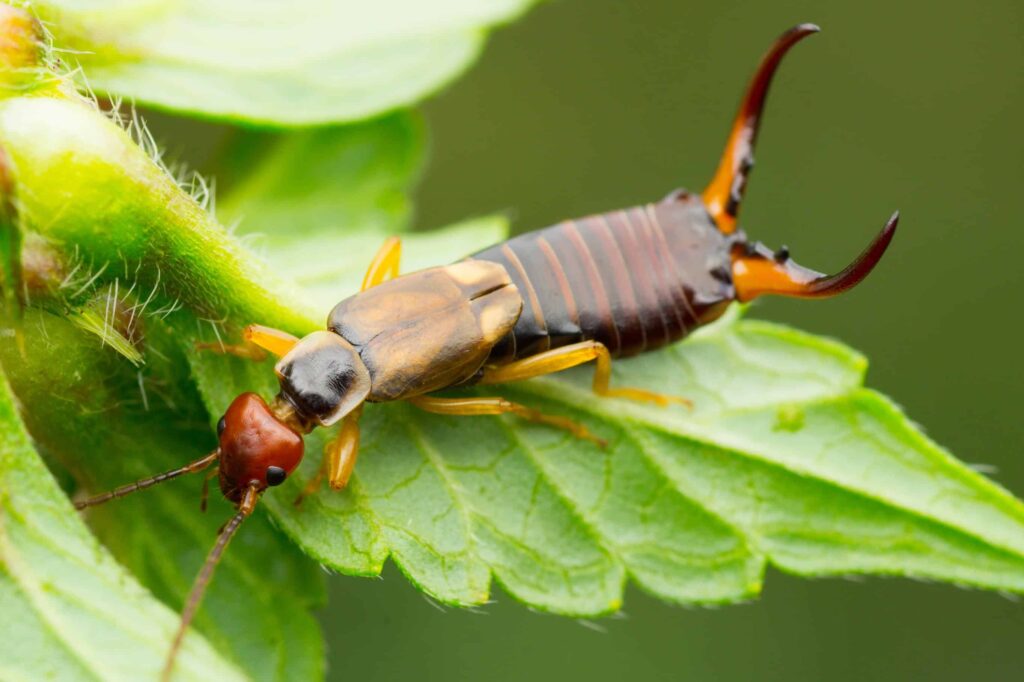
Earwigs are common in Connecticut, especially in damp outdoor areas and around homes with excess moisture. Most homeowners only encounter a few species, and the ones most often seen are harmless to people but can still become a nuisance when they move indoors.
European earwig: This is the most common earwig in Connecticut. It has a reddish-brown body and the pair of pincers at the end of its abdomen. European earwigs are active at night and often hide in mulch, under rocks, and in cracks near foundations.
Ring-legged earwig: This species is smaller and less common, but it can still be found in parts of Connecticut. It prefers moist outdoor spaces and may wander into basements, garages, or entryways when conditions outside become too dry.
Striped earwig: Although less frequently noticed by homeowners, striped earwigs may appear in gardens and landscaped areas. They are usually found outdoors and tend to feed on decaying plant material and other organic matter.
For homeowners, earwigs are usually more of a sign of excess moisture than a serious threat. If they start showing up inside your home, it may point to a damp area that needs attention.
Homeowners should be concerned about earwigs because they often show up in large numbers when there is excess moisture, and that can be a sign of damp conditions around a home’s foundation, basement, crawl space, or landscaping. While earwigs do not usually pose a serious threat to people, they can become a nuisance indoors and may damage tender plants, flowers, seedlings, and garden vegetables outdoors. Their presence can also point to hidden entry points and moisture issues that may lead to bigger pest problems if left unchecked.
Earwigs are drawn to moisture and hiding spots around the home, but a few simple steps can help reduce the chance of an infestation. Homeowners can make their property less inviting by focusing on moisture control, exterior upkeep, and regular inspections.
Steps homeowners can take to help prevent earwigs:
Homeowners should hire Richland Pest & Bee Control for earwig control because our local team knows how to quickly identify where earwigs are getting inside, why they are attracted to your property, and how to remove the conditions that help them thrive. We provide effective, targeted treatment options that help reduce earwig activity around basements, bathrooms, kitchens, mulch beds, and other damp areas where they are commonly found. With professional service from a trusted West Hartford, CT pest control company, you get a thorough approach that addresses both the immediate infestation and the long-term prevention steps needed to help keep earwigs from coming back.
MOST ACTIVE
At night
COMMON AREAS
Damp, dark areas.
MAIN CONCERNS
Moisture issues and garden damage
LOCAL SERVICE
West Hartford and surrounding CT Communities
