Learn how to identify Crickets, why they are a concern for Connecticut homeowners, and when to call a licensed pest control professional like Richland Pest & Bee Control.
Crickets are common insects in Connecticut that are best known for the chirping sounds they make, especially on warm evenings. While many crickets live outdoors in lawns, gardens, and around foundations, they often move inside homes as temperatures change or when they are attracted to moisture, warmth, and shelter. Once indoors, they can become a nuisance with their noise, occasional chewing damage, and tendency to hide in basements, crawl spaces, and other quiet areas.
In West Hartford and throughout CT, crickets are a familiar household pest during certain times of year, especially in late summer and early fall. Homeowners may notice them around doors, windows, laundry rooms, or basement spaces where conditions are damp and dark. Though they are not typically dangerous, a cricket problem can quickly become frustrating when their numbers grow or their nighttime chirping disrupts the peace of your home.
Crickets are small insects known for their jumping legs and their chirping sound, which is made mostly by male crickets rubbing their wings together to attract mates. They have long antennae, slender bodies, and are often brown or black. While crickets live outdoors in grass, mulch, leaf litter, and damp areas, they may also wander into homes in search of moisture, warmth, or shelter.
For homeowners, crickets are usually more of a nuisance than a direct threat, but large numbers can become annoying and may damage fabrics, paper, or stored items in some cases. They are often drawn inside through cracks, gaps, and openings around doors, windows, and foundations. Understanding what crickets are and why they enter helps make it easier to prevent infestations and keep them outside where they belong.
Crickets are usually identified by their slender, brown or black bodies, long antennae, enlarged back legs built for jumping, and the chirping sound many species make at night, especially in warm weather. They are often found near basements, garages, crawl spaces, and around lights or damp areas, and homeowners may notice them hopping quickly when disturbed. If you see small insects with a cylindrical shape and hear steady nighttime chirping inside or around the home, crickets are likely the cause.
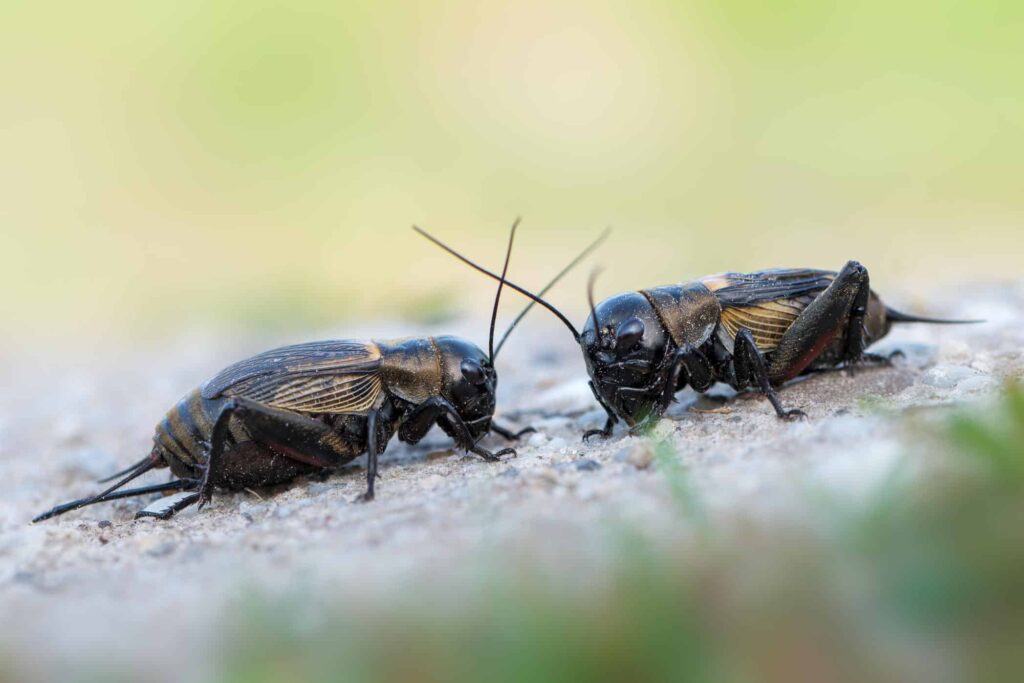
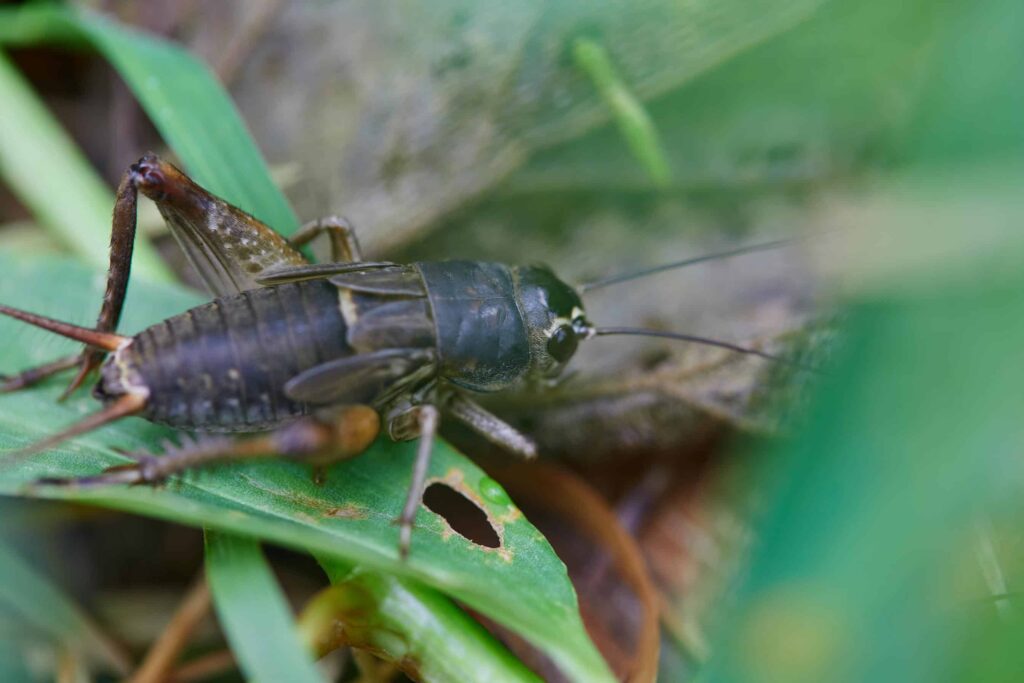
Connecticut homeowners may come across a few different cricket species around the home, yard, and foundation areas. Most are harmless, but some can become a nuisance when they get inside. Here are the common types found in the state:
House cricket: A common indoor cricket, the house cricket is light brown and often drawn to warm areas, moisture, and food sources inside homes.
Field cricket: Darker and noisier than house crickets, field crickets usually live outdoors in lawns, mulch beds, and open fields, but may wander inside.
Camel cricket: Also called cave crickets, camel crickets have a hunched body and long legs. They prefer cool, damp places like basements, crawl spaces, and sheds.
Tree cricket: Smaller and often pale green or tan, tree crickets live on shrubs, trees, and tall grasses. They are mostly an outdoor species.
Mole cricket: Less common, mole crickets live underground and can damage turf by tunneling through soil and roots.
Homeowners should be concerned about crickets because a small issue can quickly become a larger nuisance inside the home. Crickets are known for their constant chirping, especially at night, which can disturb sleep and make living spaces uncomfortable. They can also damage fabrics, paper, and stored items, and when they get indoors, they often signal easy entry points, excess moisture, or other conditions that may attract additional pests. While crickets do not usually cause major structural damage, an active infestation can be frustrating to live with and may spread if not addressed promptly.
Crickets are often drawn indoors by moisture, shelter, and easy access points around the home. Homeowners can help prevent infestations by making a few simple changes and calling Richland Pest & Bee Control if cricket activity keeps coming back.
• Seal cracks and gaps around doors, windows, foundations, pipes, and vents.
• Reduce excess moisture by fixing leaks, using dehumidifiers, and improving ventilation in basements and crawl spaces.
• Keep grass cut short, remove yard debris, and store firewood away from the house.
• Turn off outdoor lights when possible, since lights can attract crickets near entry points.
• Keep kitchens, garages, and storage areas clean and free of crumbs, pet food, and clutter.
• Repair torn screens and weather stripping to help block entry.
• Inspect signs of cricket activity early, such as chirping, droppings, or damage to fabrics and paper.
• Call a professional pest control company like Richland Pest & Bee Control for a thorough inspection and targeted treatment if crickets are persistent.
Homeowners should hire Richland Pest & Bee Control for cricket control because our experienced team knows how to identify the source of the problem and apply targeted treatments that help reduce cricket activity around your home. Crickets can become noisy, nuisance pests, and in some cases they may attract other unwanted insects, so quick action matters. We use proven pest control methods designed for long-lasting results, and we tailor our service to the unique needs of your property. With prompt service, local expertise, and a focus on customer care, Richland Pest & Bee Control makes it easier to restore comfort and peace of mind in your home.
MOST ACTIVE
At night.
COMMON AREAS
Damp, dark areas
MAIN CONCERNS
Noise and property damage
LOCAL SERVICE
West Hartford and surrounding CT Communities
