Learn how to identify Mosquitoes, why they are a concern for Connecticut homeowners, and when to call a licensed pest control professional like Richland Pest & Bee Control.
Mosquitoes are one of the most common and frustrating pests for Connecticut homeowners. These biting insects thrive in warm, humid weather and often gather around yards, patios, gardens, and shaded areas near standing water. In West Hartford and throughout CT, mosquitoes can quickly turn outdoor spaces into an inconvenience for families, pets, and guests.
Beyond the itchy bites they leave behind, mosquitoes can also create real comfort and health concerns around the home. Because they reproduce so quickly and are active for much of the warmer season, a small mosquito problem can become a persistent nuisance fast. For homeowners in Connecticut, understanding what attracts mosquitoes is the first step toward reducing activity and protecting your property.
Mosquitoes are small flying insects that are common in warm, humid weather and around standing water. Only female mosquitoes bite people and animals, because they need blood to help develop their eggs. The bite itself can leave itchy, red welts, and mosquitoes are often most active at dawn, dusk, and into the evening.
These pests breed quickly in places like clogged gutters, birdbaths, flowerpots, puddles, and other sources of stagnant water around a home. Because mosquitoes can also spread certain diseases, reducing breeding sites and limiting outdoor activity during peak mosquito hours can help lower your risk of bites and keep your yard more comfortable.
Mosquitoes are small, slender flying insects with long legs, narrow wings, and a needle-like mouthpart called a proboscis that females use to bite and feed on blood. They are usually gray, brown, or black, and many species have a noticeable buzzing sound when they fly. Homeowners often spot them near standing water, shady areas, overgrown landscaping, or around outdoor lights at dawn and dusk. If you see tiny insects that land briefly, bite exposed skin, and seem most active in warm, humid weather, they are likely mosquitoes.
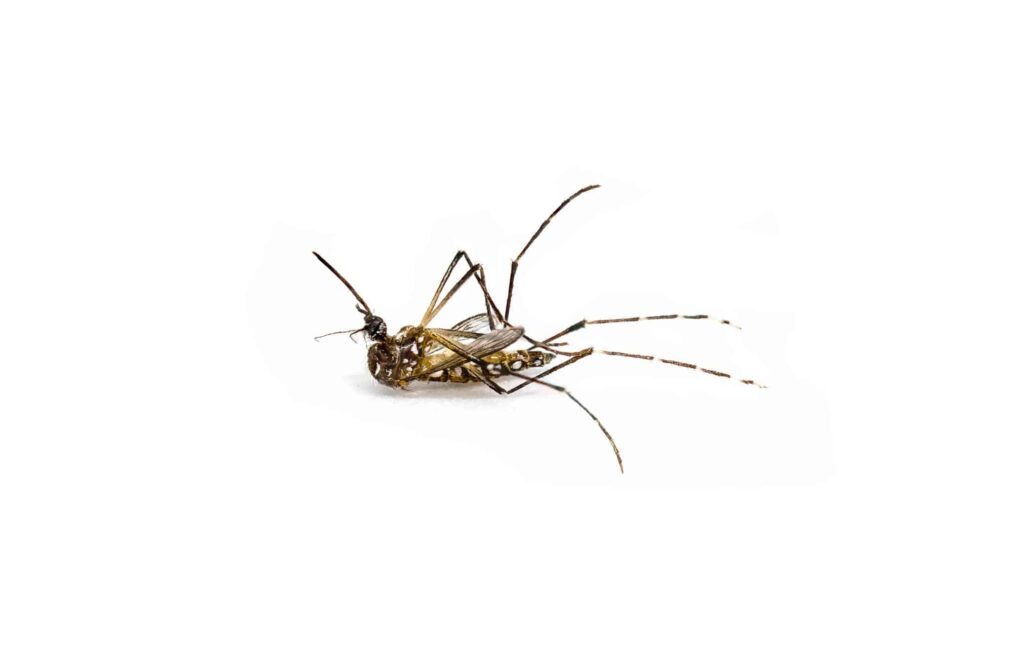
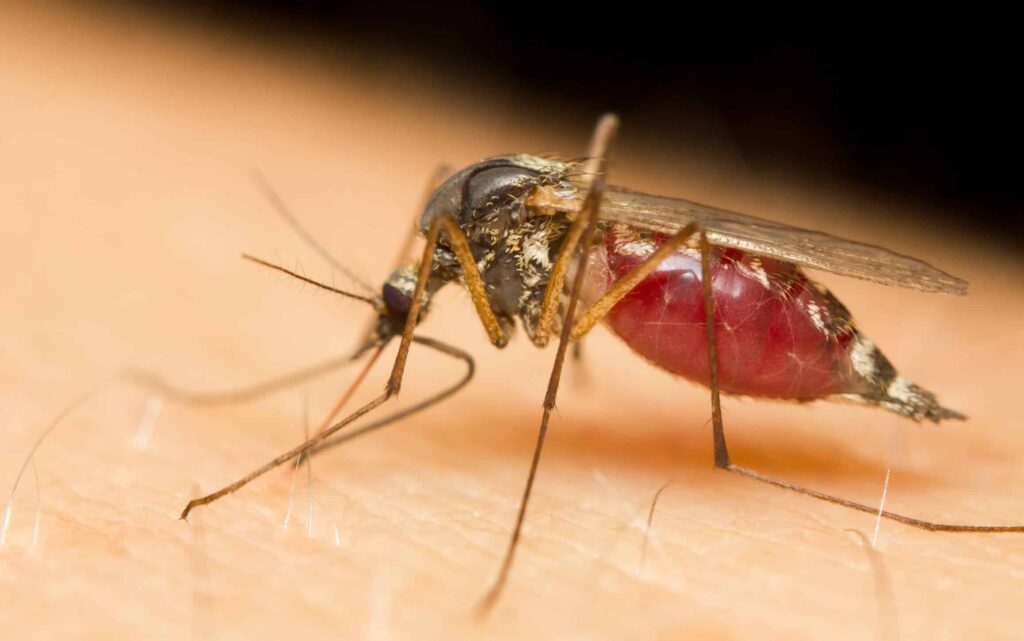
Connecticut homeowners can encounter several different mosquito species throughout the warm months. Some are nuisance biters, while others are more active around standing water, shaded yards, and wooded areas. Knowing the common types of mosquitoes in our area can help you better understand when and where they are most likely to be a problem.
Aedes vexans. One of the most common floodwater mosquitoes in Connecticut, this species is known for aggressive biting after heavy rain and can appear in large numbers near wet yards and low-lying areas.
Asian tiger mosquito. Easily recognized by its black-and-white markings, this mosquito often breeds in small containers like buckets, birdbaths, gutters, and plant saucers. It tends to bite during the daytime.
Culex pipiens. Often called the common house mosquito, this species prefers stagnant water and is more active in the evening and at night. It may be found near storm drains, clogged gutters, and other standing water sources.
Culex restuans. Similar to other Culex mosquitoes, this species breeds in polluted or stagnant water and is usually active at dusk. It is commonly found in suburban and residential areas.
Anopheles quadrimaculatus. This mosquito is more often associated with wetlands, ponds, and swampy areas. It is a nighttime biter and can be found near moist, grassy habitats.
Coquillettidia perturbans. This species is often linked to marshes and aquatic vegetation. It can travel from wetland areas into nearby neighborhoods and may bite during the evening.
Mosquitoes are a concern for homeowners because they are more than just a nuisance, they can quickly turn outdoor spaces into places people want to avoid and may also carry diseases that affect people and pets. In Connecticut, mosquitoes can breed in even small amounts of standing water around a property, such as clogged gutters, birdbaths, flower pots, and low spots in the yard, which allows populations to grow fast during warm weather. Their bites cause itchy, irritated skin, and frequent mosquito activity can make it harder to enjoy time outside, especially in the evening. Preventing mosquito problems early can help reduce bites, lower the chance of health risks, and make your yard more comfortable all season long.
Mosquitoes can quickly become a nuisance around West Hartford homes, especially in warm, wet weather. Homeowners can reduce activity by removing breeding sites and making the yard less attractive to these pests.
Empty standing water from birdbaths, buckets, flowerpot saucers, tarps, gutters, and kids’ toys, since mosquitoes lay eggs in even small amounts of water.
Keep grass trimmed and shrubs well maintained to reduce shady resting spots where mosquitoes hide during the day.
Repair damaged window and door screens, and make sure doors close tightly to help keep mosquitoes from getting inside.
Use EPA-registered mosquito repellents when spending time outdoors, especially during dawn and dusk when mosquitoes are most active.
For the best long-term protection, call a professional mosquito control company like Richland Pest & Bee Control to inspect the property and recommend targeted treatment options.
Homeowners should hire Richland Pest & Bee Control for mosquito control because we provide targeted treatments that help reduce mosquito activity around your yard so you can enjoy your outdoor space more comfortably. Our team understands the mosquito challenges common in West Hartford, CT, and we use proven methods to identify breeding areas and create a treatment plan that fits your property. By choosing a local pest control company with experience, you get dependable service, practical recommendations, and results that help protect your family, guests, and pets from frustrating mosquito bites.
MOST ACTIVE
At dawn and dusk
COMMON AREAS
Shaded, damp areas
MAIN CONCERNS
Disease and itchy bites
LOCAL SERVICE
West Hartford and surrounding CT Communities
