Learn how to identify Bats, why they are a concern for Connecticut homeowners, and when to call a licensed pest control professional like Richland Pest & Bee Control.
Bats are a common wildlife concern for homeowners in Connecticut, especially during warmer months when they look for dark, quiet places to roost. These nighttime flyers often slip into attics, soffits, chimneys, and wall voids, where they can remain hidden for long periods while causing noise, odor, and sanitation issues. Because bats are protected wildlife, dealing with them safely and legally requires careful handling and an understanding of their habits.
In many parts of CT, bat activity around homes increases when they are seeking shelter, raising young, or following established entry points into a structure. Even a small opening can allow bats to get inside, which is why prompt identification and professional exclusion are so important. Richland Pest & Bee Control helps homeowners address bat problems with effective solutions designed to protect both the property and the animals.
Bats are flying mammals that play an important role in nature by eating large numbers of insects, including mosquitoes, beetles, and moths. In Connecticut, bats are active at night and often roost in quiet, dark places during the day, such as attics, wall spaces, barns, and under rooflines. They can be helpful outdoors, but when they get inside a home, they can create health and nuisance concerns for homeowners.
Because bats are protected wildlife in many situations, they should never be handled directly. A bat in the home may indicate a nearby opening that needs to be found and sealed, and any droppings or signs of activity should be addressed carefully. Professional bat control helps remove bats safely and prevents them from coming back.
Bats are usually identified by their small, mouse-like bodies, leathery wings, and quick, fluttering flight at dusk or dawn. Homeowners often notice them by seeing them exit from rooflines, vents, chimneys, or small gaps near the attic, or by hearing scratching, squeaking, or light movement in walls and ceilings at night. Another common sign is bat droppings, which are small, dry, and crumbly and may collect below a roosting area. Since bats are active after dark and can hide in very small openings, a careful inspection of the attic, exterior soffits, and other sheltered areas is often the best way to confirm their presence.
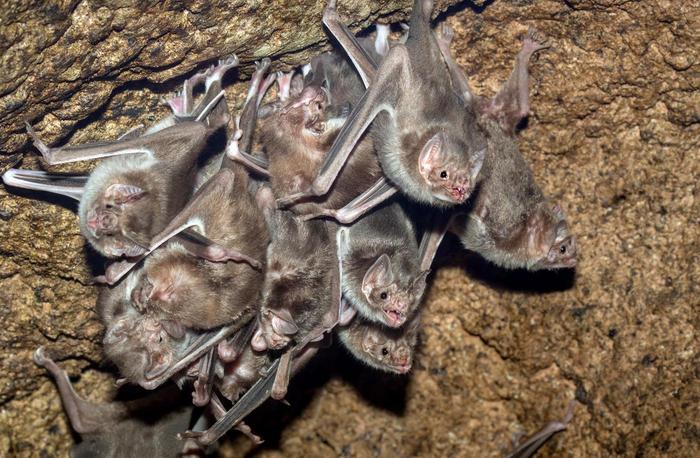
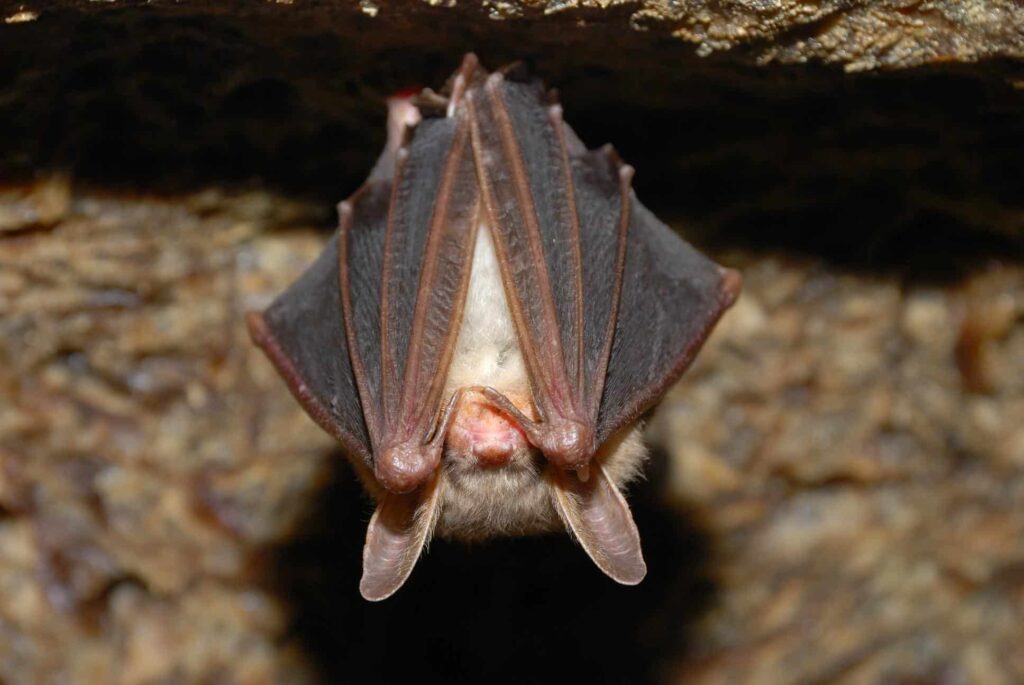
Connecticut is home to several bat species, and most are beneficial because they help control flying insects. Homeowners are most likely to notice bats near trees, barns, roofs, attics, and other sheltered spaces.
Homeowners should be concerned about bats because they can create health and property risks when they get inside a home. Bats may roost in attics, walls, chimneys, and other quiet spaces, where their droppings and urine can cause strong odors, stains, and damage over time. Their droppings, called guano, can also encourage mold growth and may carry harmful fungi that can affect indoor air quality. In some cases, bats can expose people or pets to rabies, especially if there is direct contact, and even a small colony can become a serious problem if it is not addressed quickly. Since bats can enter through very small openings, a home that seems secure may still be vulnerable, making prompt attention important.
Homeowners can take a few simple steps to make their property less inviting to bats and lower the chance of an indoor roost. The key is to remove easy access points, reduce outdoor attractants, and call a professional if bats are already present.
Homeowners should hire Richland Pest & Bee Control for bat control because bats can quickly become a serious problem in attics, wall voids, and other hard-to-reach areas, and professional help is the safest way to remove them and prevent them from coming back. Our team understands how to identify bat entry points, address the source of the infestation, and use effective exclusion methods that protect both your home and the bats themselves. By choosing a local West Hartford pest control company with experience in bat control, you can reduce health risks, limit damage from droppings and odor, and restore peace of mind with service tailored to Connecticut homes.
MOST ACTIVE
At Night
COMMON AREAS
Attics and eaves
MAIN CONCERNS
Health risks and property damage
LOCAL SERVICE
West Hartford and surrounding CT Communities
