Learn how to identify Stinging Insects, why they are a concern for Connecticut homeowners, and when to call a licensed pest control professional like Richland Pest & Bee Control.
Stinging insects are a common concern for homeowners across Connecticut, especially during the warmer months when bees, wasps, yellow jackets, and hornets become most active around homes, decks, gardens, and outdoor living spaces. While many of these insects play an important role in the environment, they can quickly become a problem when they build nests near entryways, under eaves, in wall voids, or in other areas where people live and spend time.
In CT, stinging insects often invade residential properties in search of food, shelter, and nesting sites, creating a nuisance and a potential safety risk for families, pets, and guests. Some species are more aggressive than others, and a hidden nest can lead to repeated stings or allergic reactions if disturbed. For that reason, early identification and professional removal are often the safest way to deal with a stinging insect infestation.
Stinging insects are insects that can use a stinger to defend themselves or their nests. Common stinging insects include bees, wasps, hornets, and yellow jackets. They are often most active in warm weather and may build nests in trees, rooflines, wall voids, attics, sheds, or underground. While many stinging insects only sting when they feel threatened, their presence near a home can still create a real safety concern for families, pets, and guests.
Most stinging insects play an important role in nature by helping with pollination and controlling other pests, but they can become a problem when they nest too close to people. Some species are more aggressive than others, and allergic reactions to stings can be serious. If you notice frequent insect activity around your home or see a nest, it is best to have it checked by a professional before trying to deal with it yourself.
You can identify stinging insects by looking at their size, body shape, color, and nesting habits. Bees are usually rounder and fuzzier, while wasps and hornets have smooth bodies, narrow waists, and a more defined, angular look. Yellow jackets are smaller, very active, and often appear black and yellow. Their nests can also help with identification, since bees may nest in walls or the ground, while wasps and hornets often build paper-like nests under eaves, in trees, or inside attics. If you see repeated insect activity near a nest or opening in your home, avoid getting too close and have a pest professional confirm what type of stinging insect it is.
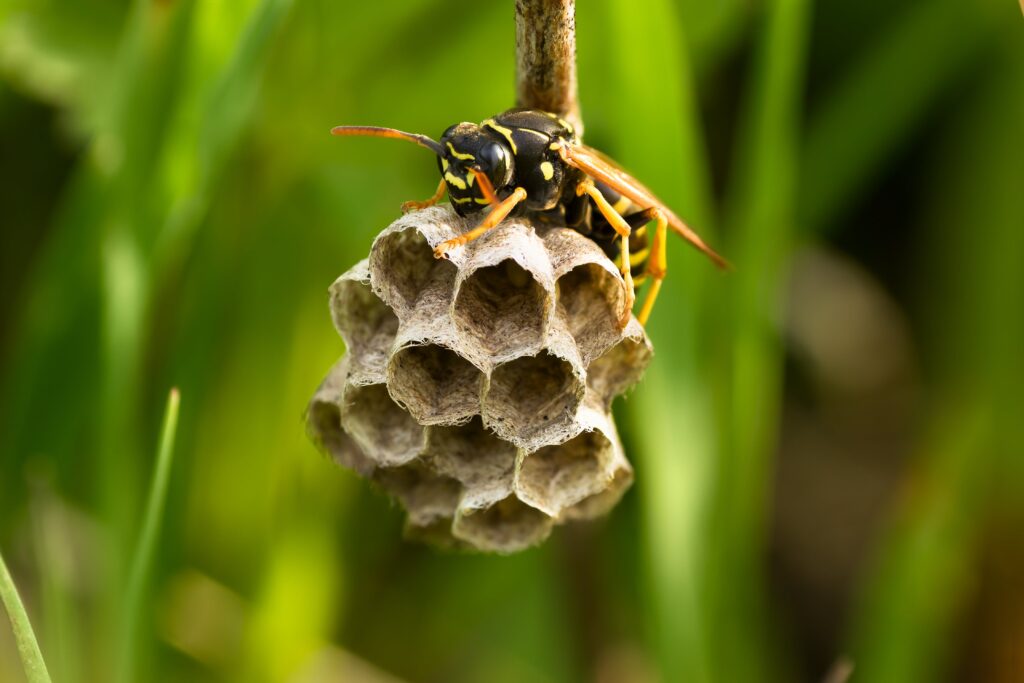
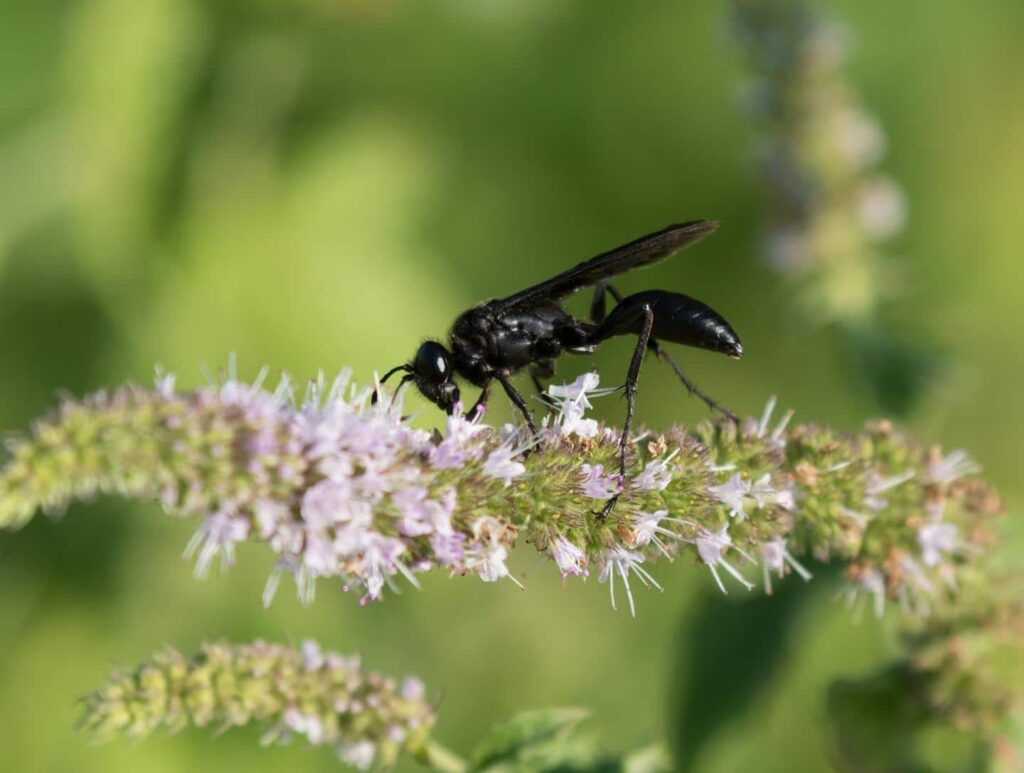
Connecticut homeowners may encounter several different stinging insects during the warmer months. Some are more aggressive than others, and many build nests around homes, decks, sheds, and trees. Knowing what to look for can help you stay safe and spot a problem early.
If you notice increased insect activity around your home, it is best to have the nest identified before trying to remove it.
Homeowners should be concerned about stinging insects because they can turn a normal yard, porch, or outdoor gathering into a safety risk very quickly. Wasps, hornets, yellow jackets, and bees may sting when they feel threatened, and for some people a sting can trigger a severe allergic reaction that requires immediate medical attention. Even if no one in the home has known allergies, nests built near doors, eaves, decks, or play areas can make daily activities stressful and increase the chance of accidental stings for children, pets, and guests. Stinging insects can also grow more aggressive as their colony expands, so early attention is important to help keep your home and family safe.
Homeowners can reduce the risk of stinging insects by making a few simple changes around the property and by watching for early signs of nests. These steps can help, but if you suspect active wasps, hornets, or bees, call a professional right away for safe removal.
Homeowners should hire Richland Pest & Bee Control for stinging insect control because our experienced team knows how to identify the type of insect, locate the nest, and remove the problem safely and effectively. Stinging insects can become aggressive when disturbed, putting your family, pets, and guests at risk, so professional treatment is the safest way to handle wasps, hornets, yellow jackets, and bees around your home. We use proven methods designed to address the source of the infestation and help prevent it from coming back, giving you peace of mind and a more comfortable outdoor space. As a trusted local company in West Hartford, CT, we provide dependable service, fast response, and the knowledge needed to protect your home and property.
MOST ACTIVE
During warm daylight hours
COMMON AREAS
Eaves, attics, decks, and yards
MAIN CONCERNS
Stings, nests, allergic reactions
LOCAL SERVICE
West Hartford and surrounding CT Communities
