Learn how to identify Ants, why they are a concern for Connecticut homeowners, and when to call a licensed pest control professional like Richland Pest & Bee Control.
Ants are one of the most common household pests in Connecticut, and they can quickly become a nuisance once they find a reliable food or water source inside your home. These small insects often enter kitchens, bathrooms, basements, and wall voids in search of shelter, and a single trail of ants can be a sign of a much larger colony nearby. In West Hartford and surrounding CT communities, ants are especially active during warmer months, when they spread out in search of new places to nest and feed.
While some ants are simply annoying, others can contaminate food, build nests indoors, and become difficult to eliminate without targeted treatment. Different ant species require different control methods, which is why identifying the source of the problem is an important first step. Richland Pest & Bee Control helps homeowners address ant infestations quickly and effectively so your home stays protected from recurring activity.
Ants are small social insects that live together in organized colonies. They are closely related to bees and wasps, and they can be found almost anywhere, from lawns and gardens to kitchens and basements. Ants have three main body parts, six legs, and antennae, and many species work together to find food, build nests, and protect their colony. Because they live in large groups, even a few ants indoors can sometimes be a sign of a much larger problem nearby.
Different ant species cause different concerns for homeowners. Some ants are mainly a nuisance as they search for crumbs, moisture, or sweet foods, while others can nest in walls, insulation, or wood and create damage over time. In Connecticut, ants often become active in spring and summer, but they may enter homes any time they find an easy food source or a safe place to live.
Ants can usually be identified by their small size, segmented bodies, narrow waist, and bent antennae. Homeowners often notice them as organized trails moving between a food source and a nest, especially in kitchens, bathrooms, or along foundation cracks. Depending on the species, they may be black, brown, red, or even a mix of colors, and some winged ants can appear during mating season. If you see piles of soil, tiny openings in walls or pavement, or repeated ant activity in the same area, those are strong signs of an active infestation that may need professional treatment.
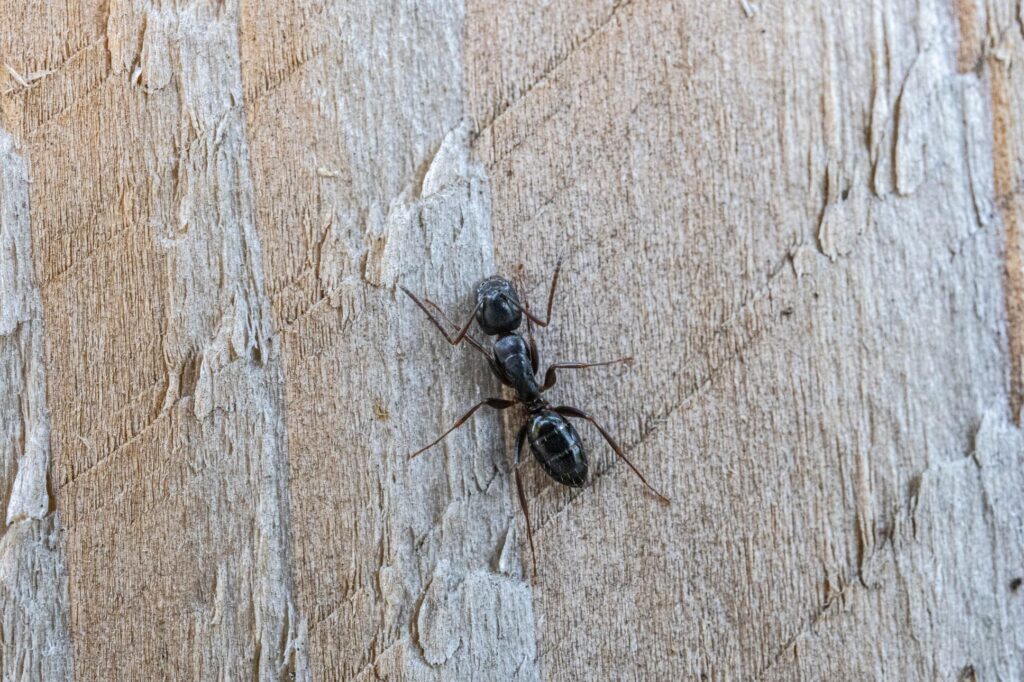
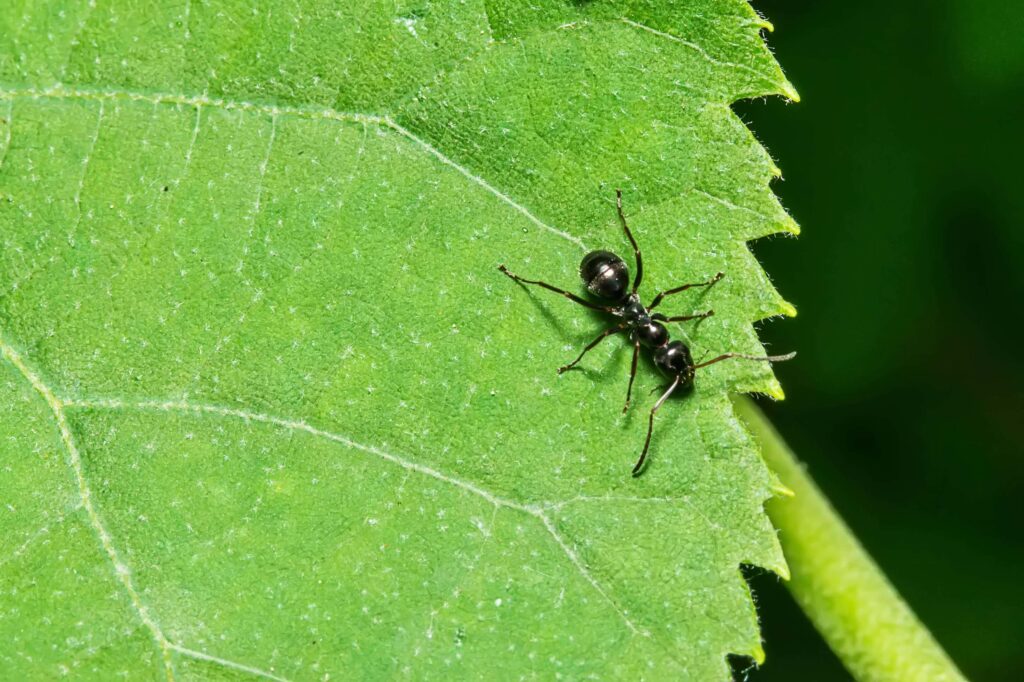
Connecticut homeowners often encounter a handful of ant species, and each one can signal a different issue around the home. Some ants are simply looking for food, while others may be nesting in walls, soil, or wood.
Carpenter ants: These are one of the most concerning ants for homeowners because they can tunnel through damp or damaged wood. They do not eat wood, but they can weaken structures over time.
Pavement ants: Common around driveways, sidewalks, and foundations, these ants often enter homes in search of crumbs and sweets. They may nest under concrete slabs or along building edges.
Odorous house ants: These small brown ants are known for the strong smell they give off when crushed. They often invade kitchens and pantries and can form large indoor colonies.
Pharaoh ants: Very tiny and light yellow in color, pharaoh ants are known for spreading quickly inside buildings. They are often found in warm, humid areas like bathrooms, kitchens, and utility spaces.
Little black ants: As their name suggests, these ants are small and dark in color. They usually nest outdoors but may come inside looking for food and water, especially during warmer months.
Homeowners should be concerned about ants because a small trail of a few ants can quickly turn into a larger infestation that is difficult to control on your own. Ants enter homes in search of food, water, and shelter, and once they find a reliable source, they leave scent trails that bring more ants inside. Some species can contaminate pantry items, nest in walls or insulation, and even damage wood or create problems around electrical areas. An ant problem also often points to hidden moisture or entry points in the home, which can lead to bigger issues if not addressed early.
Ants can quickly become a nuisance in and around the home, especially when they find easy access to food, water, and shelter. A few simple prevention habits can help reduce the chances of an infestation, and professional treatment is often the best way to stop ants before they spread.
Step 1: Keep kitchen counters, floors, and dining areas clean by wiping up crumbs, spills, and grease right away.
Step 2: Store food in sealed containers and make sure pet food is not left out for long periods.
Step 3: Seal cracks, gaps, and other entry points around windows, doors, pipes, and the foundation to help block ant access.
Step 4: Reduce moisture by fixing leaks, drying sinks, and addressing damp areas where ants may be attracted.
Step 5: Trim back shrubs, tree branches, and other landscaping that may touch the home and give ants a bridge inside.
Step 6: If ants keep coming back, call a professional pest control company like Richland Pest & Bee Control in West Hartford, CT for a thorough inspection and targeted treatment.
Homeowners should hire Richland Pest & Bee Control for ant control because our team understands how quickly an ant problem can spread and how important it is to stop it at the source. We provide targeted treatments designed to locate nests, eliminate active infestations, and help prevent ants from coming back, all with service that is responsive, professional, and tailored to the needs of homes in West Hartford, CT and the surrounding area. With Richland Pest & Bee Control, homeowners get experienced help, clear communication, and a dependable solution that protects both their home and their peace of mind.
MOST ACTIVE
During warm weather
COMMON AREAS
Kitchens, pantries, and foundations
MAIN CONCERNS
Food contamination and infestations
LOCAL SERVICE
West Hartford and surrounding CT Communities
