Learn how to identify Bed Bugs, why they are a concern for Connecticut homeowners, and when to call a licensed pest control professional like Richland Pest & Bee Control.
Bed bugs are one of the most persistent household pests found in Connecticut homes, apartments, hotels, and other shared living spaces. These small, reddish-brown insects feed on human blood, often while people are sleeping, and can quickly turn into a frustrating problem if they are not addressed early. Because bed bugs hide in mattresses, bed frames, furniture, baseboards, and even cracks in walls, they can spread unnoticed and become difficult to eliminate without professional help.
In CT, bed bug infestations can happen to anyone and are often brought in after travel, from used furniture, or through close contact with infested spaces. They do not indicate poor housekeeping, but they do require prompt action to prevent the problem from getting worse. Understanding how bed bugs behave and where they hide is the first step toward protecting your home and restoring peace of mind.
Bed bugs are small, flat, reddish-brown insects that feed on the blood of people and animals, usually at night. They do not live on people, but they hide close to where people sleep or rest, such as mattresses, box springs, bed frames, couches, and cracks in furniture or walls. Because they are tiny and very good at hiding, a bed bug problem can grow before many homeowners realize it is there.
These pests are a common nuisance in homes, apartments, hotels, and other places where people travel or gather. They often spread by hitching a ride on luggage, clothing, used furniture, or bedding. While bed bugs are not known to spread disease, their bites can cause itchy, irritating welts and lead to sleepless nights and stress.
Bed bugs are small, flat, reddish-brown insects about the size of an apple seed, and they often hide in mattress seams, box springs, bed frames, headboards, and nearby furniture. Homeowners can look for live bugs, tiny white eggs, shed skins, and small dark spots that may be droppings on sheets, mattresses, or walls near the bed. Another common sign is waking up with itchy bites, often in lines or clusters on exposed skin, especially after sleeping. Because bed bugs are good at hiding in cracks and can spread quickly, a careful inspection of sleeping areas, furniture, and luggage is the best way to identify them early.
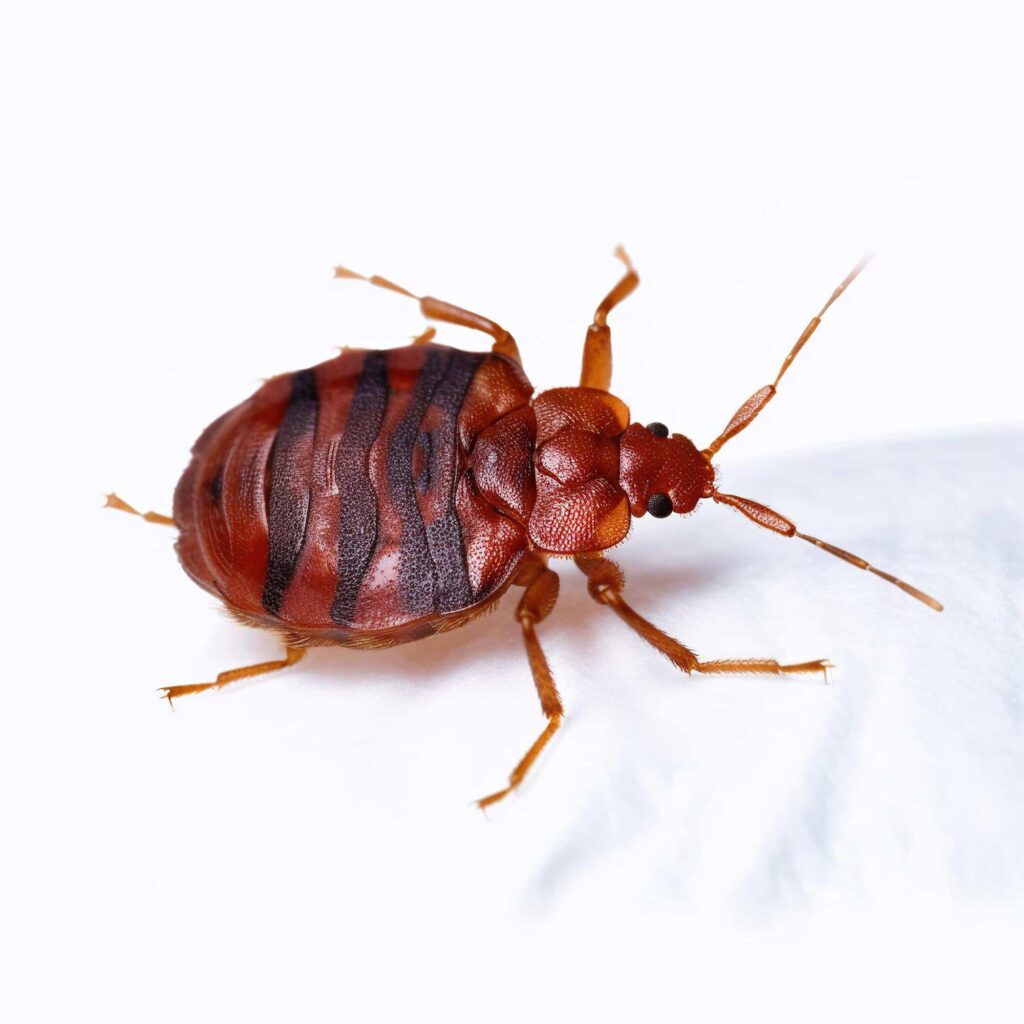
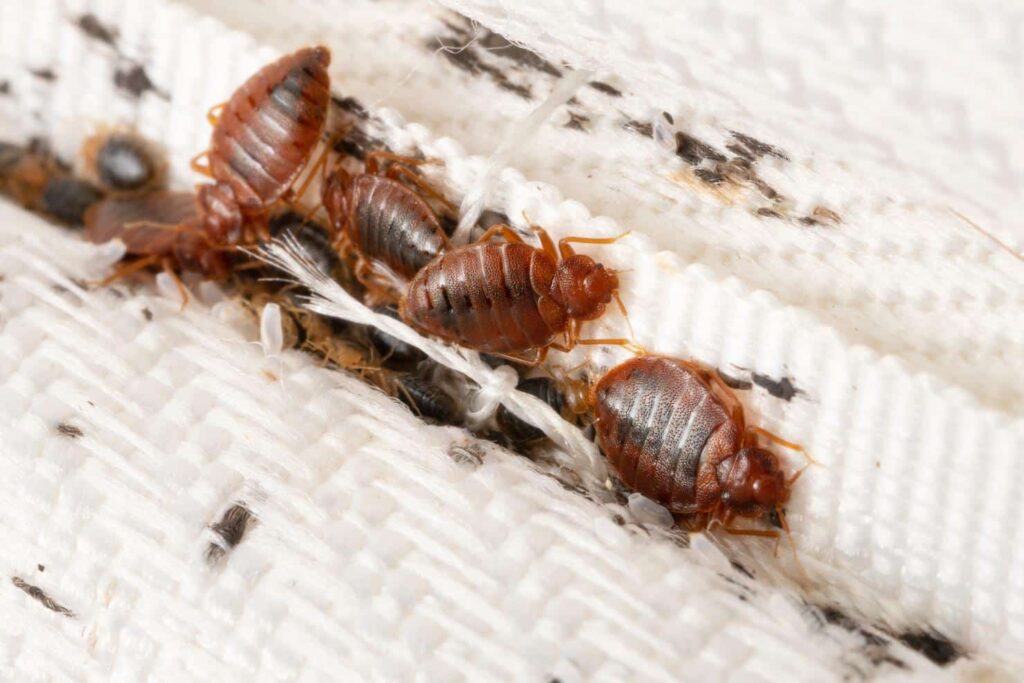
In Connecticut, most bed bug problems involve the common bed bug, but homeowners may also run into a few less common species and lookalikes. Knowing the difference can help you spot an infestation early and choose the right treatment.
Common bed bug (Cimex lectularius): This is the species most often found in Connecticut homes, apartments, hotels, and dorms. It feeds on human blood and hides in mattresses, box springs, bed frames, furniture, and cracks near sleeping areas.
Tropical bed bug (Cimex hemipterus): This species is less common in Connecticut, but it can show up after travel or through secondhand furniture. It looks very similar to the common bed bug and is treated the same way.
Bat bug: Bat bugs are not true bed bugs, but they are often mistaken for them. They usually appear when bats are roosting in an attic, chimney, or wall void and may move indoors looking for a blood meal.
Swallow bug: Another bed bug lookalike, swallow bugs are tied to bird nests on homes and buildings. They can bite people when birds leave the nest area, especially near eaves, roofs, and attics.
Homeowners should be concerned about bed bugs because these pests can spread quickly, hide in mattresses, furniture, baseboards, and even clothing, and are very difficult to remove once they become established. Bed bugs feed on blood while people sleep, which can lead to itchy bites, restless nights, and stress for the entire household. They can also be brought into the home through luggage, used furniture, or visitors, making an early response important before a small problem turns into a widespread infestation.
Bed bugs can be difficult to prevent, but a few consistent habits can lower your risk. Homeowners should focus on early inspection, careful cleaning, and quick action if signs of bed bugs appear. When in doubt, call a professional for a thorough inspection and treatment plan.
Inspect hotel rooms, public seating, and secondhand furniture before bringing items into your home.
After traveling, wash clothing in hot water and dry it on high heat, then check luggage carefully before storing it.
Reduce clutter in bedrooms and storage areas so bed bugs have fewer places to hide and easier areas to inspect.
Use mattress and box spring encasements, and vacuum beds, baseboards, and furniture regularly.
If you notice bites, shed skins, stains, or live bugs, call a professional pest control company right away for proper identification and treatment.
Homeowners should hire Richland Pest & Bee Control for bed bug control because we understand how stressful a bed bug problem can be and provide a thorough, professional approach that targets the infestation at its source. Our experienced team serves West Hartford and the surrounding area with careful inspections, clear communication, and treatment plans designed to fit your home and level of infestation. We focus on effective bed bug control that helps protect your comfort, reduce the chance of the pests spreading, and give you confidence that the problem is being handled properly from start to finish.
MOST ACTIVE
At night
COMMON AREAS
Mattresses, bedding, and furniture.
MAIN CONCERNS
Bites, infestations, and insomnia.
LOCAL SERVICE
West Hartford and surrounding CT Communities
