Learn how to identify Moths, why they are a concern for Connecticut homeowners, and when to call a licensed pest control professional like Richland Pest & Bee Control.
Moths are a common household pest in Connecticut, especially when they find their way indoors in search of food, shelter, and a safe place to lay eggs. While many moth species are harmless outdoors, certain types can become a real problem inside homes by damaging fabrics, stored food, and other household items. Their ability to stay out of sight for much of their life cycle often allows an infestation to grow before it is noticed.
In West Hartford and throughout CT, moth problems can show up in closets, pantries, basements, and other storage areas where conditions are dark and undisturbed. Because moths can reproduce quickly and their larvae do the actual damage, early identification and control are important. Richland Pest & Bee Control helps homeowners address moth infestations before they spread and cause more extensive damage.
Moths are winged insects related to butterflies, and many species are active at night. They go through a life cycle that includes egg, larva, pupa, and adult stages. While some moths live outdoors and help pollinate plants, others can become a problem inside homes when they are drawn to clothing fibers, pantry goods, or fabrics made from natural materials.
For homeowners, moth activity often becomes noticeable when damaged clothing, small holes in stored items, or tiny larvae appear in closets, kitchens, or storage areas. Moths can reproduce quickly, so even a small infestation may grow if it is not addressed. Understanding what attracts moths and where they hide is an important step in protecting your home and belongings.
Moths are usually identified by their soft, dusty-looking wings, thick bodies, and feathery or threadlike antennae, and many rest with their wings held tent-like over their bodies. They are often attracted to lights at night, and homeowners may also notice signs of moth activity such as small caterpillars, silk webbing, holes in clothing, or damage to stored foods, depending on the species. In homes, pantry moths are often spotted near dry goods like flour, cereal, or pet food, while clothes moths are more likely found in closets, attics, or storage areas where natural fibers are present.
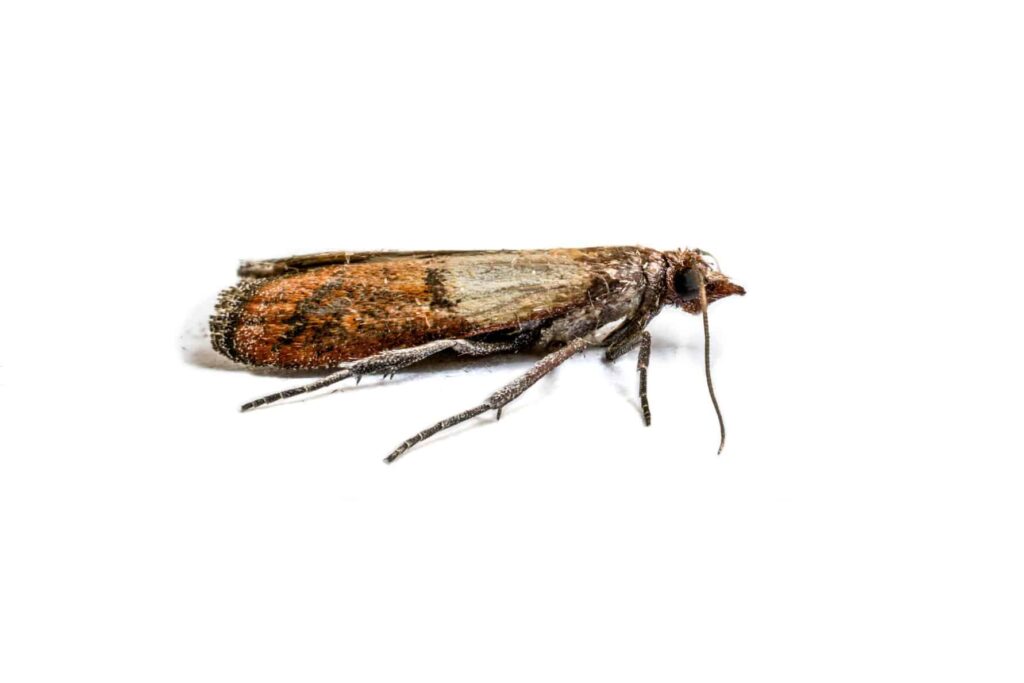
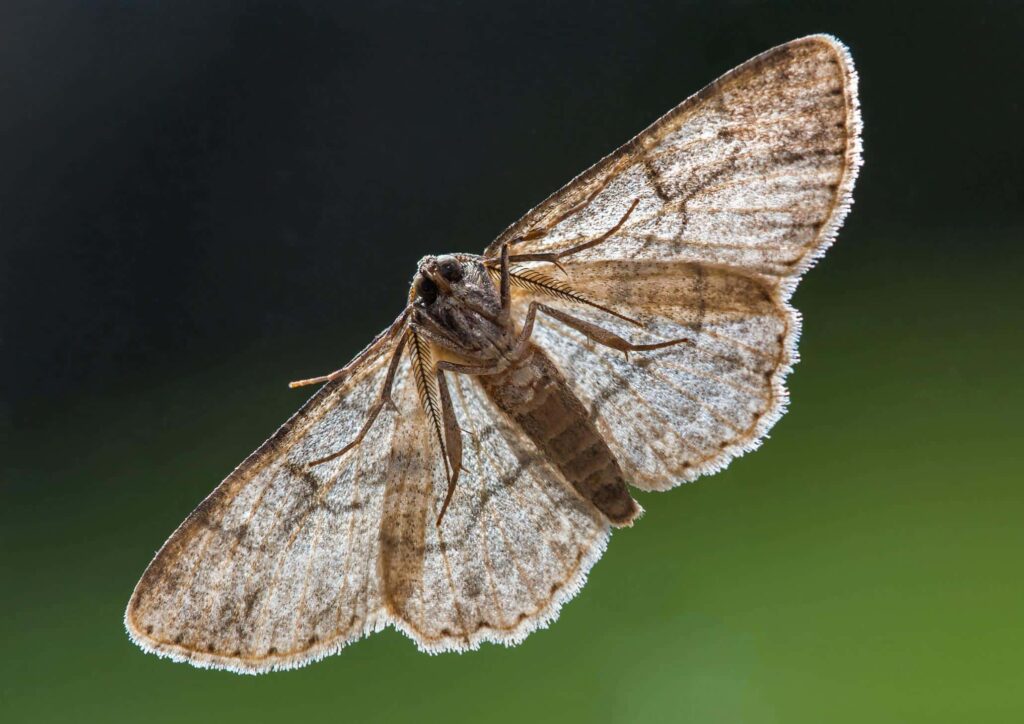
Moths are common in Connecticut and can range from harmless nighttime pollinators to indoor pests that damage fabrics and food. Homeowners often notice them by the adult moths themselves or by signs like webbing, chewed food, or damaged clothing.
Common moths found in Connecticut include the clothes moth, which feeds on natural fibers like wool, silk, and fur and can damage stored clothing, blankets, and upholstery.
The pantry moth, also called the Indianmeal moth, is a frequent kitchen pest. It usually shows up in stored food products such as flour, cereal, grains, nuts, and pet food.
The spongy moth, formerly known as the gypsy moth, is known for its caterpillars that feed on tree leaves and can defoliate hardwood trees during large outbreaks.
The fall webworm moth creates silken webs on tree branches, and its caterpillars feed on many shade trees and ornamentals during late summer.
Other moths you may see in Connecticut include the luna moth, tiger moths, and sphinx moths. These are usually outdoor species and are more often considered beneficial or harmless than destructive.
Homeowners should be concerned about moths because some species can cause real damage inside the home, especially when they lay eggs in stored food, wool, carpeting, clothing, or other natural fabrics. The larvae are usually the stage that does the harm, feeding quietly in closets, pantries, and storage areas before the problem becomes obvious. What starts as a few small moths can lead to holes in clothing, contaminated food, and costly cleanup or replacement if the infestation spreads. Moths can also be a sign that there is an access point or attractant in the home that needs attention, making early detection and treatment important for protecting both your property and your peace of mind.
Moths can damage clothing, pantry items, and stored fabrics, so taking a few simple prevention steps can help protect your home. Here are some easy ways homeowners can reduce the risk of moth problems and keep them from coming back.
Keep closets, drawers, and storage areas clean and vacuum regularly to remove lint, hair, and eggs that can attract moths.
Store wool, fur, and other natural fabrics in sealed containers or garment bags to make them harder for moths to access.
Check pantry items like flour, cereal, rice, and pet food for signs of contamination, and keep food in tightly sealed containers.
Reduce clutter in attics, basements, and storage rooms so moths have fewer places to hide and lay eggs.
Inspect secondhand clothing, rugs, and furniture before bringing them inside, since moths can travel on used items.
Repair screens, seal gaps around windows and doors, and limit indoor entry points to help keep moths out.
Call a professional pest control company if you notice moth activity, recurring damage, or signs of an infestation, since expert treatment can help eliminate the source and prevent future problems.
Homeowners should hire Richland Pest & Bee Control for moth control because our team understands how to find the source of the problem, treat the infestation thoroughly, and help protect your home from future damage. Moths can ruin clothing, pantry items, and other stored belongings before you even realize they are there, so quick professional help matters. We provide dependable service, careful inspections, and targeted treatments designed for your specific situation, giving you peace of mind and a cleaner, more protected home. As a trusted West Hartford, CT pest control company, Richland Pest & Bee Control is committed to helping homeowners stop moth problems at the source and keep them from coming back.
MOST ACTIVE
At night
COMMON AREAS
Closets, pantries, and fabrics
MAIN CONCERNS
Clothing and pantry damage
LOCAL SERVICE
West Hartford and surrounding CT Communities
