Learn how to identify yellow jackets, understand why they can become a concern for
Connecticut homeowners, and know when it may be time to contact a licensed pest control
professional like Richland Pest & Bee Control.
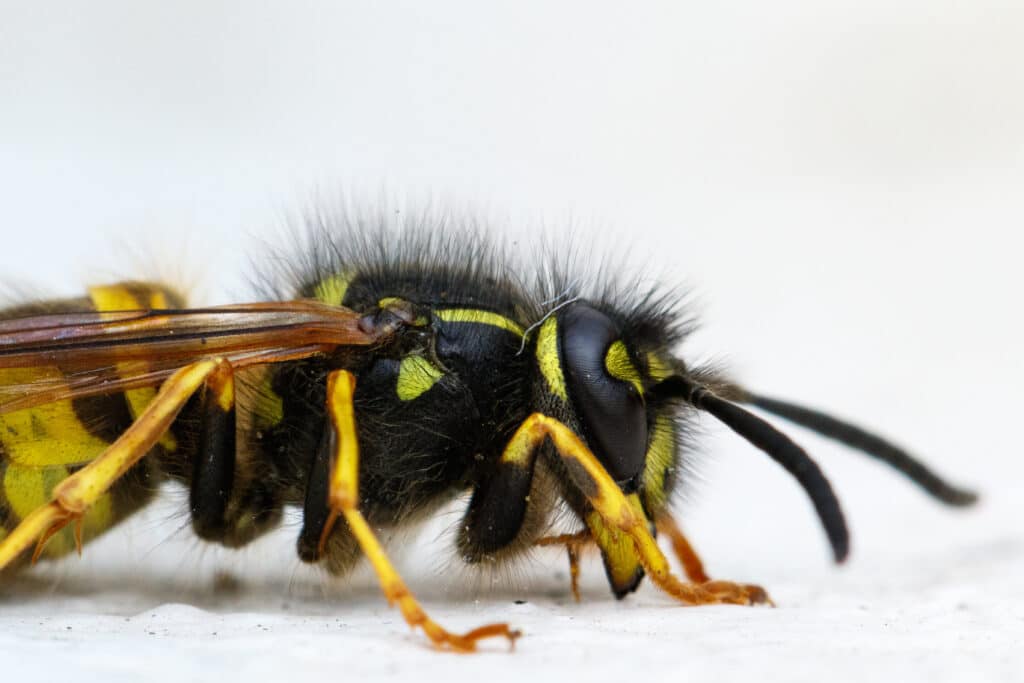
Yellow jackets are social wasps that are well known for their distinctive black and yellow markings and their tendency to become a nuisance around people. While they help control populations of flies, caterpillars, and other insects, they can also be one of the most aggressive stinging insects found in Connecticut.
Unlike bees, yellow jackets have smooth bodies and can sting multiple times. They live in colonies that can grow to contain hundreds or even thousands of workers by late summer, making encounters with their nests particularly concerning.
Yellow jackets are often mistaken for honey bees because of their similar coloring, but there are
several important differences.
● Approximately ⅜ to ⅝ inch long
● Bright yellow and black bands
● Smooth, shiny bodies with very little hair
● Narrow “waist” between the thorax and abdomen
● Fast, direct flight patterns
● Capable of stinging multiple times
● More robust and fuzzy appearance
● Golden-brown coloring
● Hairy bodies designed to collect pollen
● Typically sting only once
● Less likely to scavenge around human food
Proper identification is important because yellow jackets behave very differently from bees and may require a different response when nests are found.
Yellow jackets are adaptable and can build nests in a variety of locations around residential and commercial properties.
Common nesting sites include:
● Underground rodent burrows
● Voids beneath landscaping features
● Wall cavities
● Attics
● Crawl spaces
● Sheds and outbuildings
● Beneath porches and steps
● Gaps around structures
Underground nests are especially common in Connecticut and may go unnoticed until someone accidentally disturbs the entrance.
Yellow jackets are attracted to food, water, and sheltered nesting areas.
As the season progresses, workers actively search for:
● Sugary drinks and desserts
● Fruits and fruit juices
● Outdoor garbage containers
● Recycling bins
● Pet food
● Grilled meats and proteins
● Fallen fruit from trees
● Accessible water sources
Their scavenging behavior is one reason yellow jackets frequently become a problem during outdoor activities.
Yellow jacket activity changes throughout the year.
Overwintering queens emerge and begin constructing small nests while raising the first generation of workers.
Worker numbers steadily increase as the colony expands.
Colonies reach their peak size and yellow jacket activity becomes much more noticeable.
During this period, workers aggressively search for food sources and are more likely to interact with people.
Cold temperatures cause workers and the original queen to die off. Newly mated queens seek protected locations to overwinter until the following spring.
Because colonies continue growing throughout the season, nests that begin with only a few
insects in the spring can eventually contain hundreds or thousands of yellow jackets.
Yellow jackets can be aggressive, particularly when their nests are disturbed. They communicate threats to other workers using chemical signals, which can lead to multiple insects defending the colony at once.
For most people, stings cause:
● Immediate pain
● Redness
● Swelling
● Itching around the sting site
However, some individuals may experience severe allergic reactions requiring emergency medical attention.
Seek immediate medical care if someone develops:
● Difficulty breathing
● Swelling of the face or throat
● Dizziness or fainting
● Rapid heartbeat
● Widespread hives
● Signs of anaphylaxis
Multiple stings may also require medical evaluation, especially for children, older adults, and pets.
If you discover yellow jacket activity around your home, avoid disturbing the nest.
Do not attempt to:
● Kick or cover underground entrances
● Dig up nests
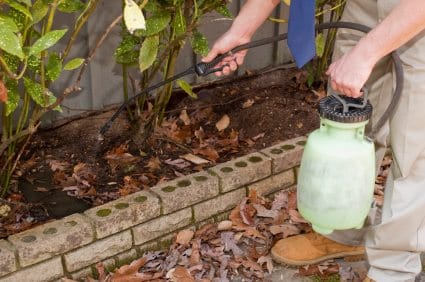
● Spray nests without proper knowledge and equipment
● Seal entry points while the colony is active
● Use lawn equipment near active nest entrances
Instead:
● Keep children and pets away from the area.
● Mark the location so others can avoid it.
● Observe activity from a safe distance.
● Consider contacting a licensed pest professional if the nest is located near areas of regular use.
Because yellow jackets aggressively defend their colonies, do-it-yourself removal attempts can increase the risk of multiple stings.
Homeowners may notice several signs that indicate a nearby nest.
Common indicators include:
● Numerous yellow and black insects flying low to the ground
● Workers repeatedly entering and exiting the same opening
● Increased activity around garbage cans or outdoor dining areas
● Sudden bursts of insects from landscaping or foundation areas
● Yellow jackets appearing during picnics and cookouts
Identifying activity early can help reduce accidental encounters.
Although nests cannot always be prevented, a few simple practices may help reduce attractants around your property.
Helpful prevention tips include:
● Keep garbage and recycling containers tightly sealed.
● Clean outdoor eating areas promptly.
● Cover sugary drinks when outside.
● Pick up fallen fruit from trees.
● Store pet food indoors whenever possible.
● Monitor your yard for signs of ground nest activity.
● Use caution when mowing or trimming vegetation.
Regular inspections during the spring and summer may help identify developing problems before colonies reach their peak size.
MOST ACTIVE
During warm daylight hours
COMMON AREAS
Eaves, attics, decks, and yards
MAIN CONCERNS
Stings, nests, allergic reactions
LOCAL SERVICE
West Hartford and surrounding CT Communities
Click through the questions below to learn more about beetle pest control and treatment options from Richland Pest & Bee Control. If you have any additional questions, feel free to reach out by contacting us online, or giving us a call at 1-800-308-9126.
No. Yellow jackets are wasps. Although they share similar coloring with bees, they have smooth bodies, different nesting habits, and can sting multiple times.
No. Yellow jacket colonies typically die off each fall, and new queens establish new nests the following spring.
Colonies are at their largest during late summer and workers spend more time searching for food, increasing the chances of interactions with people.
Yes. Yellow jackets prey on many insects that can damage gardens and landscapes, helping maintain ecological balance.
Yes. Unlike honey bees, yellow jackets can sting repeatedly because their stingers do not become lodged in the skin.
Yellow jackets are an important part of the natural environment, but their aggressive nature and tendency to nest near people can create safety concerns around homes and businesses.
Understanding how to identify yellow jackets, recognize the signs of nesting activity, and respond appropriately when nests are discovered can help homeowners make informed
decisions and reduce the risk of unwanted encounters.
