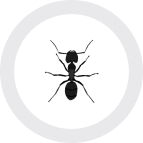
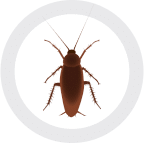
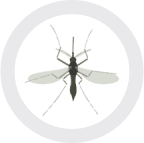
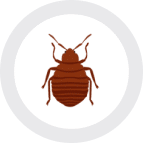
Scotland's residential properties include historic houses, farmhouses, wooded homesites, rural residences, and buildings with barns, garages, sheds, basements, attics, and crawl spaces.
Each type of property can present different pest vulnerabilities.
Older homes may contain stone foundations, chimneys, wooden siding, attic openings, basement gaps, or utility penetrations that insects and rodents can use. Rural homes may also sit close to woodland, fields, streams, firewood, farm equipment, and outdoor storage.
Residential pest-control service begins with understanding what you have noticed and where the activity occurs. A technician can then inspect relevant areas before recommending an appropriate treatment plan.
Service may include interior treatment, exterior perimeter service, baiting, trapping, rodent exclusion, termite treatment, mosquito control, nest treatment, monitoring, or follow-up visits.
Commercial Pest Control in Scotland
Scotland has a quieter commercial environment than larger Connecticut communities, but local businesses, farms, offices, schools, municipal facilities, and other organizations still require reliable pest management.
Pest activity can affect employees, visitors, food storage, equipment, inventory, and everyday operations.
A commercial pest-management program may include scheduled inspections, monitoring, targeted treatments, documentation, and recommendations involving sanitation, moisture, food storage, waste handling, deliveries, and building maintenance.
Agricultural properties may require additional attention around barns, feed, equipment, outdoor storage, and waste areas where rodents, flies, ants, or stinging insects may find favorable conditions.
Seasonal Pest Pressures in Scotland
Pest activity changes throughout the year.
Spring commonly brings ants, termites, carpenter bees, and other emerging insects. Summer increases mosquitoes, fleas, wasps, hornets, and yellow jackets around yards, streams, trails, farms, and outdoor gathering areas.
As temperatures fall, mice and rats may begin looking for protected indoor shelter. Spiders, stink bugs, and other occasional invaders may move toward garages, basements, windows, foundations, and rooflines.
Winter does not eliminate every pest concern. Rodents, cockroaches, bed bugs, and other indoor pests can remain active inside heated buildings.
Property owners can reduce seasonal pressure by sealing exterior openings, repairing screens, controlling moisture, maintaining drainage, securing food and waste, trimming vegetation, organizing storage areas, and keeping firewood away from exterior walls.
Things to Do in Scotland, CT
Scotland offers historic landmarks, quiet waterways, wildlife areas, forests, hiking opportunities, and a traditional New England town center. Its rural setting makes outdoor recreation and local history central parts of the community.
Visit the Samuel Huntington Homestead
The Samuel Huntington Homestead is one of Scotland's most important historic landmarks. The eighteenth-century property was the birthplace of Samuel Huntington, a signer of the Declaration of Independence and an important political figure during the Revolutionary era.
The preserved house sits within a rural landscape of farmland, mature trees, stone walls, and Merrick Brook, offering visitors an opportunity to experience an important piece of local and national history.
Historic homes can also have distinctive pest-management needs. Older foundations, wood construction, basements, attics, chimneys, and structural openings may provide insects and rodents with concealed access.
Explore the Waldo House and Local Heritage
The Waldo House is another well-preserved historic property associated with Scotland's agricultural and colonial past. The eighteenth-century farmhouse provides a window into rural New England life and is connected with community events such as the Scotland Highland Games.
Historic properties surrounded by fields, mature vegetation, barns, and stone walls may experience seasonal activity from rodents, ants, carpenter bees, and stinging insects.
Regular exterior inspections can help identify signs of pest access before activity spreads further into a structure.
Hike and Explore Local Wildlife Areas
Scotland provides access to several natural areas, including the Talbot Wildlife Management Area along Merrick Brook and the Spignesi Wildlife Management Area near the Little River.
The town also includes access to Mohegan State Forest and preserves where residents can hike, observe wildlife, and enjoy eastern Connecticut's forested landscape.
Homes bordering woodland and wildlife habitat may experience more seasonal interaction with mice, ants, mosquitoes, and stinging insects. Maintaining vegetation away from the home, sealing exterior openings, and checking garages and sheds regularly can help reduce pest access.
Fish and Paddle Local Waterways
The Shetucket River and Merrick Brook provide opportunities for fishing and paddling in and around Scotland. Merrick Brook is particularly associated with trout habitat and flows through a scenic wooded landscape.
Waterways and wetlands naturally support mosquitoes and other insects during warmer weather.
Properties near streams, ponds, or wet areas can benefit from careful drainage management, clear gutters, maintained screens, and reduced standing water around the home.
Spend Time Around the Scotland Town Green
Scotland's Town Green reflects the character of a traditional New England village center. Historic homes, the Congregational Church, Town Hall, and a central gazebo create a setting for gatherings and community activities.
Residents and visitors can also enjoy a simple picnic or walk while exploring the historic center of town.
Preventative Pest Control Options
Some Scotland properties benefit from ongoing protection instead of waiting until another infestation becomes visible.
Richland Pest & Bee Control offers Pest+ Prevention, Bee Barrier, rodent-control plans, exclusion services, termite treatment, seasonal mosquito service, and other preventative options.
Recurring protection may be particularly useful for wooded homes, historic properties, farms, rural residences, buildings close to streams, and locations that have experienced repeated rodent or stinging-insect activity.
Why Choose Richland Pest & Bee Control?
Richland Pest & Bee Control was established in 1974 and remains a family-owned and operated pest-control company serving Connecticut and Western Massachusetts.
Scotland customers can expect:
- Customized pest-control recommendations
Residential and commercial service
Rather than applying the same treatment to every infestation, the team evaluates the pest, property, and surrounding conditions before recommending an appropriate service plan.
Frequently Asked Questions
What Pests Are Common in Scotland?
Scotland properties may experience ants, mice, rats, termites, mosquitoes, cockroaches, bed bugs, fleas, mites, beetles, wasps, hornets, yellow jackets, carpenter bees, spiders, stink bugs, and other common pests.
Can You Help Prevent Mice From Returning?
Yes. Rodent treatment can address active mice or rats, while exclusion focuses on identifying and sealing potential access points.
Long-term prevention may also include food storage, waste management, vegetation maintenance, firewood placement, storage organization, and exterior repairs.
Do You Service Rural and Wooded Properties?
Yes. Pest-control plans can be customized for farms, wooded homes, historic properties, houses near streams, and other rural environments common throughout Scotland.
Do You Provide Pest Control for Scotland Businesses?
Yes. Professional pest-control service is available for local businesses, farms, schools, municipal properties, offices, rentals, and other commercial or managed facilities.
When Should I Call a Pest Control Professional?
Consider professional pest control when you notice recurring insects, rodent droppings, scratching noises, gnaw marks, nesting materials, termite mud tubes, discarded wings, damaged wood, unusual odors, or pest activity that repeatedly returns after do-it-yourself treatment.
Request Pest Control in Scotland Today
Do not wait for a small pest problem to spread through your home, farm, rental property, office, school, or other building.
Richland Pest & Bee Control provides professional pest control in Scotland, CT, for ants, rodents, termites, mosquitoes, bed bugs, cockroaches, stinging insects, and other common pests.
Call 800-308-9126 or request a free estimate online to schedule pest control service in Scotland.