Dealing with a wasp nest on your property can be risky without proper knowledge. Before attempting DIY wasp treatment, it’s crucial to understand the dangers, mistakes, and the right approach to ensure safety for yourself and your home.


Common DIY Wasp Treatment Mistakes

1. Over-the-counter chemicals stain your home

Wasp and hornet spray purchased at the hardware store is generally oil based. These types of consumer sprays contain ingredients that are likely to stain your siding, concrete or other materials around your home. The chemicals that professionals use to treat wasps are not oil based, and will not stain your home. 


Over-the-counter wasp sprays are designed for quick kills, but not for safe long-term use around property surfaces. Always be cautious about chemical residues.

2. Sealing the entry point makes things worse

One big mistake people make when attempting a DIY wasp treatment is to seal up the entry point to the nest. This is usually done with expanding foam, concrete or some other building material. Sealing the entry point can actually create more issues than you previously had.

The wasps will try everything they can to get to their queen, which will likely result in them creating a secondary entry point to the nest. A second opening can cause more damage to the home, as well as create another point that needs treatment. 

In addition, the wasps that are sealed inside the home will ultimately try to find a way out, taking the path of least resistance to get there. This often leads to wasps appearing inside the home, usually entering through vents or light fixtures. 

Trapping aggressive wasps inside your structure increases the risk of indoor infestations, accidental stings, and hidden damages.
3. Over-application of chemicals

If you want to help protect the environment, you should avoid using over-the-counter wasp spray. Our technicians go through proper training and testing to ensure they know how to read and understand the labels on the chemicals we apply. 

In addition, they receive instructions from a supervisor with years of experience. This means they know how to apply the chemical correctly, where to place it to receive the best results, and how much to use in order to effectively treat the nest.

Homeowners commonly stand at a distance of 15-20 feet away from a nest and spray away. Treating a nest in this manner causes over-spray, splatter and dripping of chemical. 

Our technicians can get within inches of the entry point, ensuring the chemical is applied only where it is needed, and nowhere else.

Excessive chemical use not only harms the environment but also increases your risk of exposure to toxic residues around living areas.

4. Unexpected damage to yourself, your home or your property

Some homeowners will go to extreme lengths to try to resolve wasp infestations on their own. However, without the proper knowledge, experience and equipment, they are liable to end up injuring themselves or inadvertently causing damage to their home. 


We’ve even heard of some non-traditional (and non-recommended!) treatments like fire, gasoline, metal stakes, or hockey sticks. 


Under no circumstances should you ever pour gasoline into the ground. This can poison the earth by spreading harmful chemicals into the water supply and damaging the ecosystem. It also goes without saying that it is a fire hazard.


Unsafe DIY methods like burning nests or pouring flammable liquids increase the risk of severe injury, property loss, and environmental hazards.


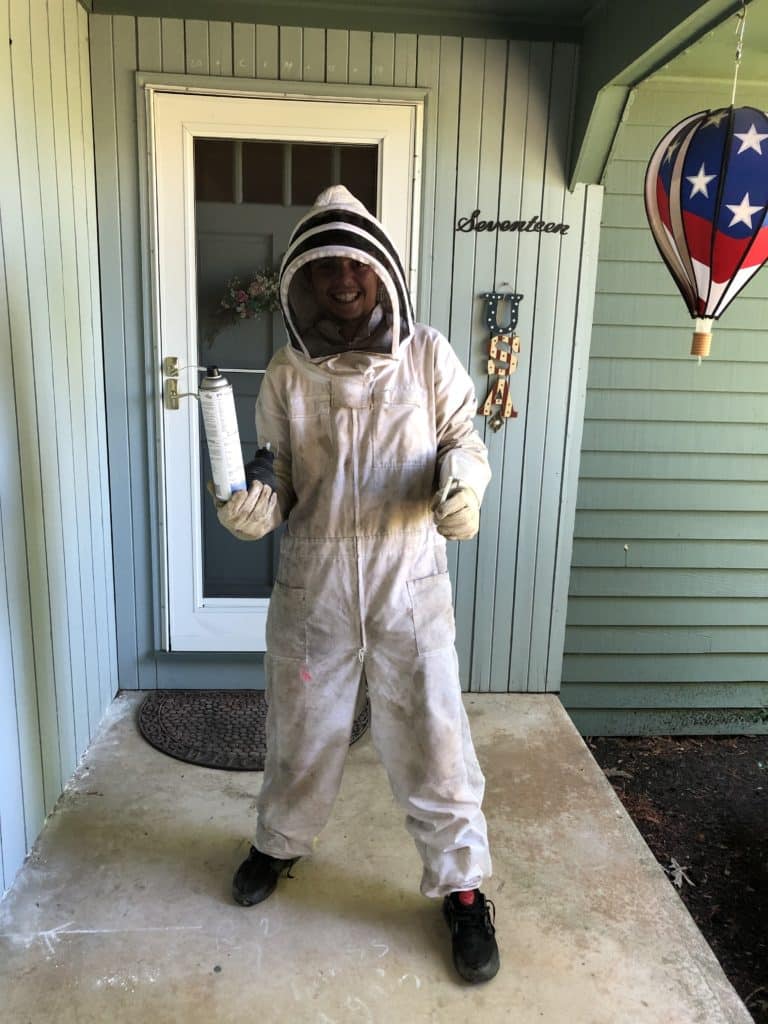
A boy in a wasp suit standing on a porch.

These attempts can lead to house fires, burns, multiple stings, allergic reactions and more. Even when using over-the-counter chemicals that state they are for use on wasps or hornets, many people do not clearly read or follow the instructions. 


This can result in using chemicals in a poorly ventilated area, spraying the wrong part of the nest making the treatment ineffective, or using much more chemical than is actually necessary.

Why trust the experts?

Richland has over 45 years of experience handling these types of pest problems. Our technicians come prepared to effectively treat your wasp or hornet nest. In addition, we remove as much of the nest as we safely can, and do it all without causing harm to you or your home.

Professional wasp control services not only eliminate nests but also serve as a pest prevention measure to stop new colonies from establishing near your home.

As Benjamin Franklin once said, “An ounce of prevention is worth a pound of cure.” So if you’re looking to prevent these infestations from happening in the first place, contact us about our annual Bee Barrier application.

About Our Bee Barrier Protection Service

Our Bee Barrier prevention service is done in the beginning of the nesting season in spring and early summer. Carpenter bees and wasps are repelled by this treatment on wood, aluminum and vinyl structures. 

A safe liquid treatment is applied in localized areas that are most likely to be impacted by wood destroying insects. By using a localized treatment, we are able to avoid areas that are attractive to pollinators. This service comes with a guarantee* through the rest of the calendar year on any nests that form on or within the structure of your home. 

Protect your home year-round with proactive wasp and bee prevention, minimizing the risk of infestations before they start.

BeeBarrier Logo | Richland Pest & Bee Control

* The Bee Barrier guarantee does not include ground nests, or nests built in trees or shrubs surrounding the home, as those areas are not treated during the initial application. We cannot prevent bees, wasps or hornets from flying into your yard, our goal is to stop them from nesting on your home. 

RECENT BLOG POSTS

A two-story brick house with snow on the ground, bare tree branches overhead, and a small decorated Christmas tree by the front door—perfectly cozy, except for the occasional scampering of rodents seeking warmth.

Winter Tips on How To Prevent Rodents

Winter Tips on How to Prevent Rodents in Your Home Prevention is the most effective defense, focusing on sealing entry points and eliminating attractants. Rodents seek warmth and food indoors as external resources diminish with cold weather. When infestation occurs, a combination of trapping, targeted treatments, and professional assistance ensures

Read More »
Ant Lifespan: Pest Control Implications

Ant Lifespan: Pest Control Implications

Ant Lifespan Insights: How Long do Ants Live? Understanding how long ants live and the factors influencing their lifespan can provide critical insights for effective pest control strategies. Why Ant Lifespan Matters in Pest Control Ants are some of the most commonly encountered pests in houses, commercial, and industrial spaces.

Read More »
economic, effective, pest control,

Remarkable: How Pest Control Services Protect Health and Property

Effective Pest Control to Protect Your Health and Property Why is Pest Control Important Pest control is certainly an essential part of maintaining a healthy and safe life. Pests such as insects, rodents, and other animals can carry harmful diseases, cause property damage, and create an overall unsanitary living environment

Read More »
Post Views: 14,543